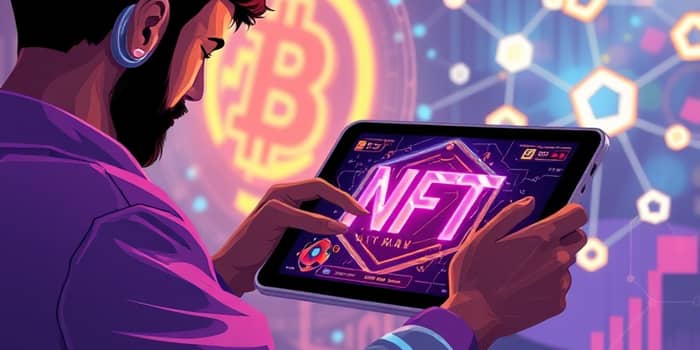
The digital age has redefined art, transforming pixels into priceless treasures. Non-fungible tokens (NFTs) are at the forefront, democratizing access to global audiences and reshaping creativity.
From a niche concept to a multi-billion dollar market, NFTs have sparked a cultural shift. The art world is witnessing unprecedented growth and innovation, with projections soaring into the future.
This article explores the journey, opportunities, and practical insights into this revolution. We delve into how blockchain technology ensures authenticity and empowers artists and collectors alike.
The NFT art market is experiencing explosive growth, with valuations and trends pointing to a bright future. In 2024, it was valued at USD 3.30 billion, showcasing its rapid ascent.
Projections indicate it could reach USD 45.97 billion by 2033, driven by a compound annual growth rate of 34%. This growth reflects increasing adoption and technological advancements.
To understand the market dynamics, here is a breakdown of key segments, their details, and growth projections.
This table highlights the diverse and evolving nature of the NFT art ecosystem. Each segment contributes to the overall momentum, with collectibles and digital assets leading the way.
The history of NFT art is marked by pivotal events that shaped its trajectory. These milestones illustrate the rapid evolution from obscurity to mainstream recognition.
These events show how NFTs have overcome challenges to become a sustainable part of the art world. The resurgence in 2025 and beyond is driven by more utility-focused collectors and enhanced infrastructure.
NFTs are revolutionizing art by making it more accessible and transparent. They empower artists to reach global audiences without traditional intermediaries, fostering a direct connection.
Automated royalties through smart contracts ensure creators earn from secondary sales, providing a steady income stream. This challenges the opaque nature of traditional art markets.
Blockchain technology verifies authenticity and ownership, reducing fraud. Artists benefit from new revenue streams and greater control over their work, while collectors gain confidence in their investments.
The impact extends to galleries and institutions integrating digital platforms. This hybrid approach blends physical and digital experiences, making art more inclusive and innovative.
Investing in NFT art offers unique opportunities but comes with risks. Understanding both sides is crucial for navigating this dynamic market successfully.
Benefits include inherent scarcity that appreciates value and the trust provided by blockchain technology. High profitability has attracted brands and institutions, expanding the ecosystem.
To manage risks, investors should focus on long-term trends and diversify their portfolios. The fusion of physical and digital assets offers promising avenues for growth.
NFT marketplaces are evolving to support multi-chain operations and various applications. Leading platforms in 2026 are set to define the future of digital art trading.
These platforms are becoming faster and more useful, supporting assets like gaming items and virtual fashion. They enable a seamless experience for artists and collectors alike.
Demographic trends reveal that younger generations are driving the NFT art market. Their preferences and behaviors are shaping a more participatory and ethical landscape.
This shift is making the market less top-heavy and more inclusive. Digital art is becoming integral to cultural expression and investment strategies.
For artists and investors, practical steps can help thrive in the NFT art space. Embracing technology and community is key to long-term success.
The future of NFT art is bright, with digital mainstream adoption accelerating by 2026. Infrastructure improvements and cultural acceptance will continue to drive innovation and accessibility.
As we move forward, the fusion of art and technology will unlock new creative possibilities. Embrace this revolution to be part of a more connected and empowered artistic world.
Referencias